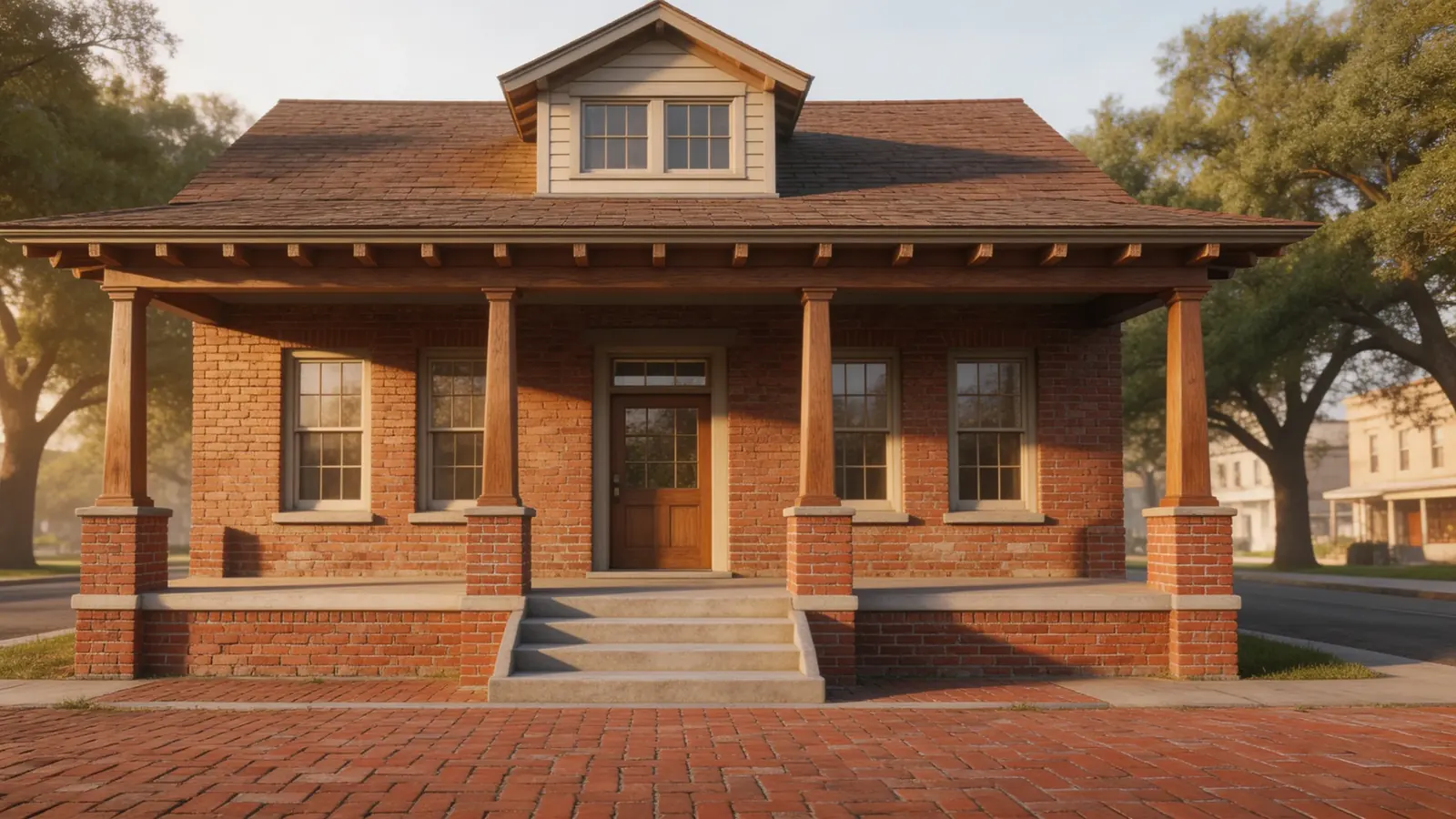
What house leveling means
House leveling is lifting and re-supporting the parts of a house that have dropped. On a crawl space home, the work happens underneath, on the piers, beams and joists that hold up the floor. On a slab home, leveling means lifting the slab with piers or foam. When people around Murfreesboro ask for leveling, they usually mean an older crawl space house where the floors have sagged over time.
Signs a house needs leveling
- A marble or ball rolls across the floor on its own
- Floors that dip toward the center of the house or toward one wall
- Interior doors that swing open or closed by themselves
- Gaps between the floor and baseboards, or between walls and ceiling
- Cracked tile, or hardwood that has cupped or separated
- Kitchen cabinets or countertops pulling away from the wall
Three signs worth checking
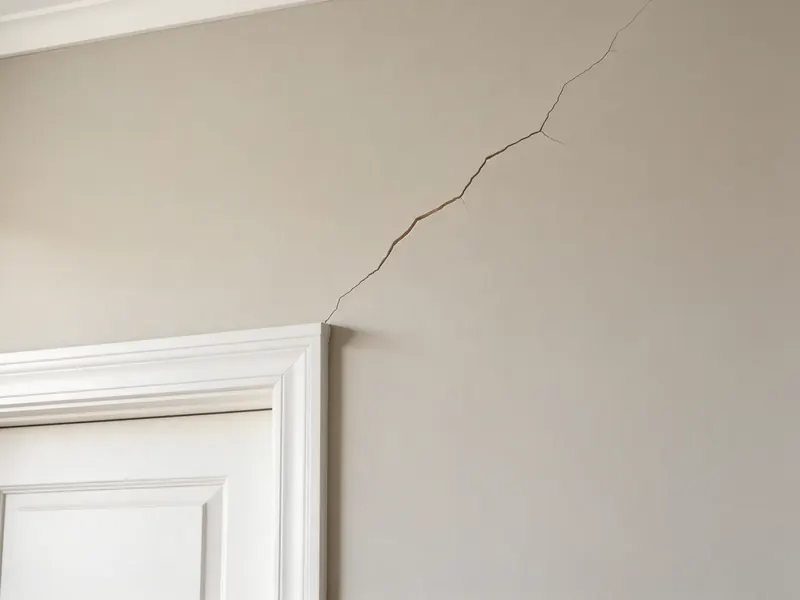
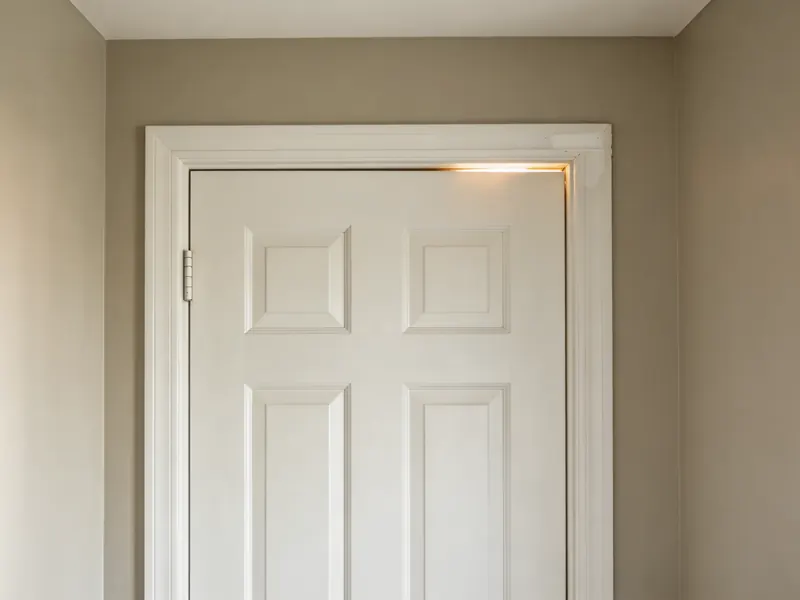
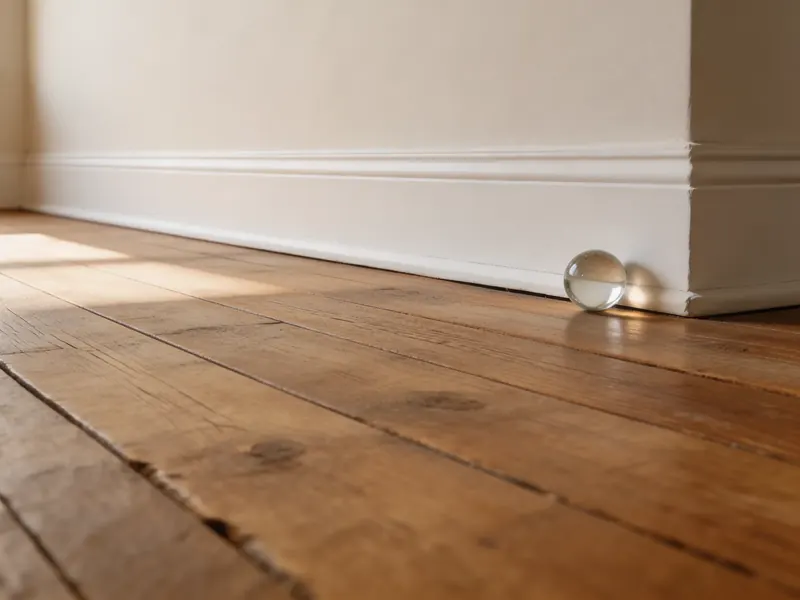
AI illustrations of common symptoms, not photos of specific homes.
Why crawl space homes sag
In a typical crawl space home, the floor sits on joists, the joists sit on beams, and the beams sit on piers. Each pier needs a footing under it. In older homes, those piers were often stacked block or stone on small or shallow footings, and over decades they settle, lean or crack. Wood beams and joists sag when they are undersized, when someone cut through them for plumbing, or when moisture in the crawl space has softened them.
Around Murfreesboro, the soil adds to it. Clay under a pier footing shrinks in dry summers and swells in wet winters. Piers set on thin soil over uneven rock can settle at different rates. And many crawl spaces here stay damp, which works on the wood year after year.
How leveling is done
Shimming
The simplest fix is adding steel or hardwood shims between a pier and the beam it supports. It works when the pier itself is sound and only a small gap has opened. It does not work when the pier is still sinking.
New or replacement piers
When piers are failing, the contractor installs new ones, usually adjustable steel piers on a proper concrete footing or a pad set on firm soil. Some crews add piers between existing ones to shorten the span a beam has to carry.
Beam and joist repair
Sagging beams can be supported with new piers, replaced, or doubled up with a new beam alongside. Damaged joists are usually sistered, meaning a new joist is fastened alongside the old one. Badly rotted sill plates may need to be cut out and replaced.
Slab leveling
On a slab home, leveling means slab repair: piers under the footing to lift a settled edge, or foam lifting for sections that do not carry walls.
What leveling costs
For pier and beam homes, Angi pier and beam guide, 2026 puts the national average repair at about $10,000, with most jobs between $6,000 and $14,000. The same guide lists re-shimming at $1,200 to $4,000, adding new piers at $800 to $4,000 each, and beam replacement at $400 to $1,200 each. A house that needs only shims and two new piers costs far less than one that needs new beams across the whole crawl space.
Lift slowly
An older house that has settled over fifty years has adjusted to its current shape. Lifting it all at once can crack plaster, pop tile and bind windows. Good crews lift gradually and may recommend leaving a house slightly out of level rather than forcing it. Ask how far they plan to lift and what they expect to happen inside.
Rutherford County is one of nine Tennessee counties that adopted the state home improvement law. Here, a contractor doing a residential job worth $3,000 to $24,999 needs a home improvement license and a $10,000 surety bond, according to the Tennessee Board for Licensing Contractors. Jobs of $25,000 or more need a full state contractor license anywhere in Tennessee. You can look up any license at verify.tn.gov.